
How to Make a Rigged Spin the Wheel (Step by Step)
By The LetsSpin team ·
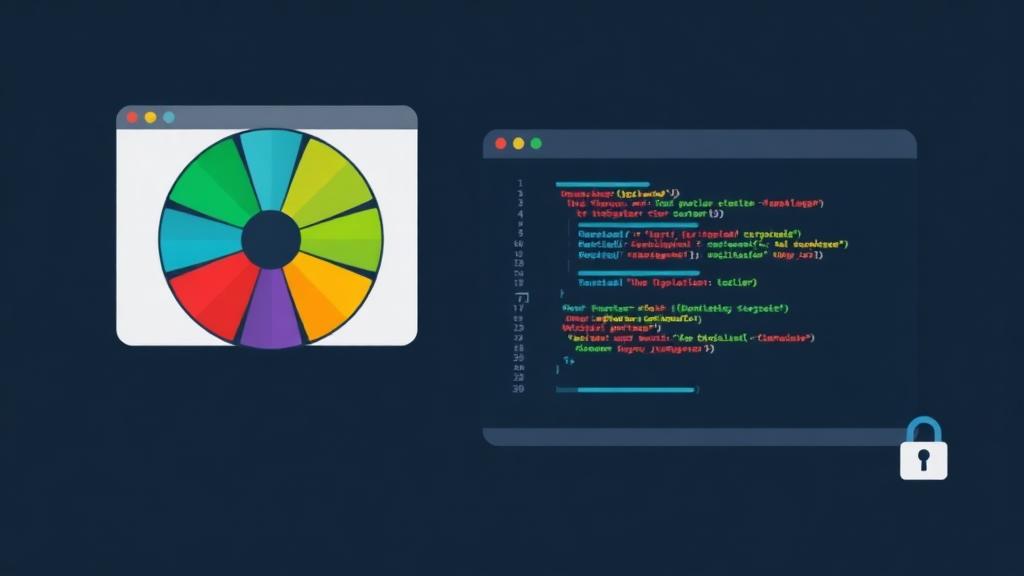
Three ways to make a rigged spin the wheel that lands where you want: a ready-made rigged spinner, weighted entries, or your own JavaScript.
There are more legitimate reasons to want a rigged wheel than you'd think.
A teacher who needs the "random" student picker to land on the kid who's been quiet for three weeks and finally looks ready. A parent running a chore wheel where the toddler somehow always gets the easy job. A YouTuber whose bit only works if the wheel lands on the stupid option. A magician. A dungeon master. Or, most commonly, someone who already knows they want Thai food and just wants the wheel to say so out loud.
Below are three ways to do it, from a two-minute version to writing it yourself.
Method 1: Use a rigged wheel spinner (about 60 seconds)
The fastest route is a spinner that's built for this, where choosing the winner is a feature rather than something you have to engineer around.
- Open the rigged wheel spinner.
- Enter your options exactly as you would on any normal wheel — names, chores, restaurants, dares.
- Select which entry should win. This is set before the spin and nothing about the wheel's appearance changes.
- Hand over the phone, or share your screen, and spin.
The spin runs at normal speed with normal deceleration and lands on your chosen segment. To anyone watching, it's an ordinary wheel. There's no visual tell, no different colour, no hesitation at the end.
If you want a version framed around names specifically — classrooms, team draws, secret santa — the rigged name picker is the same idea with a name-list layout.
Method 2: Weight the odds with duplicate entries
This one works on essentially any wheel tool, including the ones that would never advertise a rigging feature. It doesn't guarantee an outcome, but it moves the odds as far as you like.
The trick is that most spinners treat each line in your list as one segment, and none of them check for duplicates.
Say you have four options and you want "Pizza" to win. Enter:
Pizza
Pizza
Pizza
Pizza
Pizza
Pizza
Pizza
Pizza
Pizza
Sushi
Burgers
Salad
That's 9 out of 12 segments, giving Pizza a 75% chance. Push it to 19 out of 22 and you're at 86%.
Two practical notes. First, the duplicates are visible on the wheel face, so this only works if nobody's looking closely — or if you frame it as "weighting," which is a normal, honest thing to do for votes and preferences. Second, it can genuinely backfire, which is either the flaw or the charm depending on your mood.
Odds by number of duplicates (in a 12-segment wheel):
| Duplicates | Chance of winning |
|---|---|
| 1 | 8% |
| 3 | 25% |
| 6 | 50% |
| 9 | 75% |
| 11 | 92% |
Method 3: Build your own in JavaScript
If you want it embedded in your own page, the logic is genuinely short. The key insight is the one from the previous article: you pick the winner first, then calculate what rotation lands it under the pointer.
With the pointer at the top of the wheel:
function spinToIndex(winnerIndex, totalSegments) {
  const segmentAngle = 360 / totalSegments;
  const extraSpins = 5; // full rotations before settling
  // centre of the winning segment, offset so it stops under the pointer
  const target = 360 * extraSpins
    - (winnerIndex * segmentAngle + segmentAngle / 2);
  wheel.style.transition = "transform 4s cubic-bezier(0.17, 0.67, 0.12, 0.99)";
  wheel.style.transform = `rotate(${target}deg)`;
}
That easing curve does most of the believability work — a fast start and a long, slightly uncertain crawl into the final position. A linear transition looks mechanical and gives the whole thing away.
To make it selectable rather than hardcoded, keep a riggedIndex variable that defaults to null, and fall back to Math.floor(Math.random() * totalSegments) when it's unset. That way the same wheel runs fair or fixed depending on one value.
How to make it not obvious
A few things separate a convincing rigged wheel from a suspicious one:
- Don't win every time. If you're running multiple spins, let the wheel lose once or twice. A wheel that produces the "right" answer four times running is the thing people notice.
- Vary the spin duration slightly. Identical timing on every spin reads as scripted, even to people who couldn't tell you why.
- Keep the entry count normal. Twelve segments where nine say Pizza is not subtle.
- Let someone else press the button. Counterintuitive, but the person who spins is the least likely to suspect the spin.
- Don't announce the result before the animation finishes. Easy mistake if you're excited.
When you shouldn't do this at all
Worth stating plainly, because this article ranks for a search term that could go either way: don't rig a wheel for a real giveaway, a paid competition, a raffle where people bought tickets, or any draw where participants entered believing they had a fair chance. That isn't a prank — it's fraud, and depending on where you live it can involve consumer protection authorities and actual liability.
Rigged wheels belong in classrooms, parties, party games, video content, and low-stakes household disputes. Use it to make sure the birthday kid gets the good dare. Don't use it to pick who wins a €500 prize.
FAQ
Can I rig any spin the wheel website? Not directly — most don't offer the feature. But the duplicate-entry method in Method 2 works on nearly all of them, and gets you to 85–90% odds without any special tool.
Will people be able to tell the wheel is rigged? Not from the animation. A properly built rigged spinner is visually identical to a fair one. The giveaways are behavioural: winning too consistently, spinning with identical timing every time, or an entry list that's obviously stacked.
Can I choose the winner after the wheel starts spinning? No. The rotation target has to be calculated before the animation begins, which means the winner is locked in the moment you hit spin.
Is a rigged wheel the same as a weighted wheel? Not quite. A weighted wheel changes the probabilities; a rigged wheel fixes the outcome. Weighting is a legitimate feature many tools offer openly — useful for voting, prize tiers, or preferences.
Do I need to install anything? No. Both the rigged wheel spinner and the rigged name picker run in the browser, on desktop or mobile, with no account.